全球電子通訊法規月報 (2026年2月) Global Market Access Newsletter February 2026

Welcome to our February 2026 Global Market Access newsletter.
若您對以下資訊有任何問題,或是對我們的環球認證服務有興趣,請與您所屬的業務人員聯繫或是發送電子郵件至infoEETW@cpt.eurofinsasia.com。
If you have any questions about the information below or if you have any questions about our Global Market Access services, please contact our sales or send email to infoEETW@cpt.eurofinsasia.com.
|
國家 |
更新內容 |
|
澳洲 Australia |
澳洲內政部部長於 2025 年 2 月 27 日正式頒布《2025 年網路安全(智慧型裝置安全標準)規則》(Cyber Security (Security Standards for Smart Devices) Rules 2025)。 該規則之「第 2 部分」及「附表 1」將自 2026 年 3 月 4 日起正式生效。 第 2 部分界定了受新規範約束之產品範圍。該法規適用於在澳洲境內向消費者供應或由其取得之消費級相關可連網產品。 以下產品明確排除在適用範圍之外:
製造商義務納入規範範圍內之產品製造商必須準備一份合規聲明(Statement of Compliance),確認該產品係依據指定之安全標準製造,且該聲明書須至少保存 5 年。 合規聲明必須證明產品符合本規則「附表 1」中所列之相關安全性要求。 On 27 February 2025, the Australian Minister for Home Affairs published the Cyber Security (Security Standards for Smart Devices) Rules 2025. From 4 March 2026, Part 2 and Schedule 1 of the Rules will come into force. Part 2 of the Rules defines the products covered by the new requirements. The legislation applies to consumer-grade relevant connectable products that are supplied or acquired in Australia by consumers. The following products are explicitly excluded:
Manufacturers of in-scope products must prepare a Statement of Compliance confirming that the product has been manufactured in accordance with the prescribed security standards and retain the Statement of Compliance for a minimum of five (5) years. The Statement must demonstrate conformity with the applicable security requirements outlined in Schedule 1 of the Rules. |
|
日本 Japan |
日本相關部門已發布下列《電波法施行規則》修正省令提案,目前正處於意見徵詢階段。相關文件已開放查閱,公眾意見徵求截止日期為 2026 年 2 月 24 日。 提案一:建立 920 MHz 頻段無線電力傳輸(WPT)系統室外使用制度本項修正旨在修訂《電波法施行規則》,以建立相關法規架構,准許 920 MHz 頻段無線電力傳輸系統於室外環境使用。
提案二:建立 800 MHz 頻段寬頻低功率無線系統及 3D 定位系統制度本項修正旨在針對 800 MHz 頻段導入以下兩類新型無線系統之法規制度:
800 MHz 頻段3D定位系統: 強化空間定位精準度,適用於自動化管理與物聯網應用。 Proposed ministerial ordinance to amend the Radio Act Enforcement Regulations (establishment of a system for outdoor use of 920 MHz band wireless power transmission systems) – The consultation may be accessed and will be open for comments until February 24, 2026. Proposed ministerial ordinance to amend the Radio Act Enforcement Regulations (establishment of a system for 800 MHz wideband low-power radio systems and 800 MHz three-dimensional positioning systems) – The consultation may be accessed and will be open for comments until February 24, 2026. |
|
哥倫比亞 Colombia |
哥倫比亞國家頻譜管理局(ANE)發布了 2026 年第 24 號決議,旨在更新「國家頻譜分配表」(CNABF),針對 900MHz 頻段的頻譜使用導入更具彈性的管理機制。 此項舉措旨在降低頻譜獲取的門檻,進而鼓勵電信服務供應商擴大其在農村或通訊服務欠缺地區(underserved regions)的網路覆蓋範圍。 The National Spectrum Agency (ANE) of Colombia released Resolution 24 of 2026 to update the National Frequency Band Allocation Table (CNABF) to introduce more flexible approach for spectrum use of 900MHz Band. This initiative aims to lower barriers to spectrum access, encouraging providers to expand coverage in rural or underserved regions. |
|
玻利維亞 Bolivia |
玻利維亞電信與運輸法規暨監督管理局 (ATT) 已於 2026 年 1 月 28 日更新應辦理型式認證(Homologation)之電信設備清單。根據玻利維亞法規,下列類別之電信設備必須經過技術審驗,並在進入市場前取得型式認證證書: 1. 終端設備 (Terminal Equipment)
2. 數據傳輸與網路設備 (Data Transmission and Networking Equipment)
3. 廣播與傳輸設備 (Broadcasting and Transmission Equipment)
4. 短距離裝置 (SRD) 與低功率設備 (Low Power Equipment)
5. 其他電信設備 (Other Telecommunications Equipment)
The Autoridad de Regulación y Fiscalización de Telecomunicaciones y Transportes (ATT) of Bolivia updated the list of Telecommunication equipment subject to homologation on Jan. 28th, 2026. According to Bolivian regulations, the following categories of telecommunication equipment are mandatory for technical verification and must obtain a Type Approval certificate before entering the market:
|
|
印度 India |
印度電信局(DoT)已發布官方公告,明確規定製造商不得針對同一型號且已具備有效合規評估證書的設備,重複提交多項 MTCTE 申請。 若製造商提交重複申請,官方將採取下列行動:
僅在下列特定情況下,才允許針對同一型號設備提交多項申請:
The Department of Telecommunications (DoT) has published a notification to clarify that manufacturers are not permitted to make multiple applications under MTCTE for equipment with the same model number which already has a valid certificate of Conformity Assessment. In the case a manufacturer does submit multiple applications, all those under process will be rejected and those which have already been certified will be cancelled. The only case where multiple applications for an equipment with the same model number are permitted is when the manufacturer is applying for the addition of Associated Models and a declaration is provided as part of the application, with the condition there is no change to the HW/SW version of the already certified equipment. |
|
巴布亞紐幾內亞 Papua New Guinea |
巴布亞紐幾內亞國家資通訊科技局 (NICTA) 已於 2026 年 1 月 13 日正式發布《2026 年無線電頻譜分配表/圖》。 本年度更新版本正式取代 2025 年版本。其編製準則係遵循國際電信聯盟(ITU)最新修訂之《無線電規則》(Radio Regulations),並納入 2023 年世界無線電通訊大會(WRC-23)之決議內容進行接軌。 On 13 January 2026, the National Information and Communications Technology Authority (NICTA) of Papua New Guinea released the Radio Frequency Spectrum Allocation Table/Chart (2026). This updated edition replaces the 2025 version and has been developed in alignment with the latest International Telecommunication Union (ITU) Radio Regulations, as revised at World Radiocommunication Conference 2023 (WRC-23). |
|
巴拉圭 Paraguay |
巴拉圭國家電信委員會 (CONATEL) 於 2025 年 12 月 17 日發布第 3339/2025 號委員會決議,修訂其「國家頻率分配計畫」(PNAF),以擴增 5G 技術之可用頻譜。 該決議將 3700–3800 MHz (3.7–3.8 GHz) 頻段指配予國際行動電信(IMT)系統使用,特別針對 5G NR之部署進行規畫。此舉使巴拉圭的頻譜管理與國際電信聯盟(ITU)標準及全球 5G 發展趨勢接軌。 The Comisión Nacional de Telecomunicaciones (CONATEL) of Paraguay released Resolution Directorio No. 3339/2025 on Dec. 17th, 2025 to modify the National Frequency Plan (PNAF) to expand the available spectrum for 5G technologies. Which designates the 3700-3800 MHz (3.7-3.8 GHz) frequency band for International Mobile Telecommunications (IMT) systems, specially enabling 5G NR deployment. This move aligns Paraguay’s spectrum management with International Telecommunication Union (ITU) standards and global 5G trends. |
|
摩爾多瓦 Moldova |
摩爾多瓦「國家電子通訊暨資訊技術管理局」(ANRCETI)已正式更名為「國家通訊管理局」(ARCOM)。 此項變更係依據第 50/2025 號委員會決議核准,並自 2026 年 1 月 1 日起正式生效。 儘管機關名稱有所變動,ARCOM 將繼續履行原有的監管職責,其監督範圍涵蓋:
官方目前尚未公告因應更名而對現行監管程序、認證要求或核可流程(Approval processes)進行任何調整。 The National Agency for Regulation in Electronic Communications and Information Technology (ANRCETI) has officially changed its name to the National Agency for Regulation in Communications (ARCOM). The change was approved under Board of Directors Decision No. 50/2025 and took effect on 1 January 2026. While the agency’s name has changed, ARCOM will continue to carry out the same regulatory responsibilities, including oversight of:
There are currently no announced changes to regulatory procedures, certification requirements, or approval processes as a result of the renaming. |
|
黎巴嫩 Lebanon |
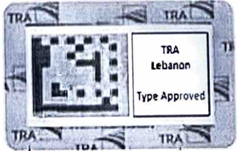
黎巴嫩電信管理局 (TRA) 已正式確認,即日起全面接管電信及無線電設備之型式認證(Type Approval)職權,取代原先由電信部 (MoT) 擔任的角色。 配合此職權移轉,TRA 亦針對型式認證程序及合規要求導入重大變革,並立即生效。要點如下: 1. 證書效期變更型式認證證書效期由原先的「永久有效」縮短為 2 年。 2. 既有證書失效與重辦原由電信部 (MoT) 核發之既有證書將全數失效。若相關產品需於黎巴嫩境內進口或銷售,申請人必須向 TRA 重新申請新證書。官方並未針對先前已獲核可之產品提供寬限期。 3. 進口商與製造商規定型式認證證書仍可核發予製造商。然而,任何擬進口產品之實體,在產品進入黎巴嫩前,必須持有以其自身名義申請之有效進口許可證及型式認證證書。 4. 樣品審驗應 TRA 之要求,申請人須提供樣品以供查驗;審驗結束後,樣品將歸還予持有者。 5. 非射頻(Non-RF)裝置豁免無法直接連接至公眾網路之非射頻裝置(包含僅具備乙太網路 Ethernet 或光纖介面之設備)將可豁免 TRA 認證。TRA 預計於未來向海關提交豁免產品清單;在此過渡期間,進口商仍須向 TRA 提交申請以取得「豁免函」供海關查驗。因此,針對此類產品,進口商目前仍應依循常規提交型式認證申請,以確認是否符合豁免條件。 6. 全新合規標籤TRA 推出了全新官方合規標籤(如下所示)。進口商應於取得型式認證證書時向 TRA 購買標籤,並於產品進口前完成張貼。
The Telecommunications Regulatory Authority (TRA) of Lebanon has formally confirmed that it has fully assumed responsibility for the type approval of telecommunications and radio equipment, replacing the previous role of the Ministry of Telecommunications (MoT). The TRA has also introduced significant changes to the Type Approval procedure and compliance requirements, effective immediately. 1) The certificate validity is changed from permanent to two years. 2) The existing certificates issued by MoT will become invalid and applicants need to re-apply for new certificates from TRA if the products need to be imported or sold in the country. No grace period is given to the products previously approved. 3) Type Approval certificate can still be issued to manufacturers. However, any entity intending to import the product must hold a valid import license and type approval certificate issued in its own name before the product can be imported into Lebanon. 4) Sample shall be made available upon request for TRA inspection, but will be returned to the holder at the end of the inspection. 5) NON-RF devices that cannot directly connect to public networks will be exempted from TRA certification, including devices with Ethernet and fiber optic interfaces. TRA will submit a list of exempted products to customs in the future. During this period, importers will need to submit an TRA exemption letter to customs for importation of such devices. Therefore, for these products, importers still need to submit Type Approval applications as usual to confirm whether certification is required. 6) TRA introduced a new official TRA conformity label as below. Importer should purchase the label from TRA upon receiving the Type Approval Certificate and apply on the product before importation.
|
|
南韓 South Korea
|
韓國技術標準局(KATS)於 2025 年 12 月 23 日發布第 2025-370 號公告,宣佈修訂家用及類似用途電器安全標準 KC 60335-2-29(第 2-29 部分:電池充電器的特殊要求)。 本次修訂係對應國際標準 IEC 60335-2-29 Ed.5.1 (2019),內容涵蓋適用範圍調整,以及結構、標記與測試要求的更新。 核心修訂要點:
施行日期與過渡期修訂後之標準自發布日起生效。為提供產業界緩衝,舊版標準將有一年之過渡期(Transitional Period),於此期間內仍屬有效。 On December 23, 2025, the Korean Agency for Technology and Standards (KATS) issued Public Notice No. 2025-370 announcing the revision of the electrical safety standard KC 60335-2-29 (Household and Similar Electrical Appliances – Safety – Part 2-29: Particular Requirements for Battery Chargers). The amendment reflects IEC 60335-2-29 Ed.5.1 (2019) and includes adjustments to the scope as well as updates to structural, marking, and testing requirements. The key revisions are as follows:
- Adjustment of the DC output upper limit from 120V to 250V
- Introduction of Type 1 (supplied via safety isolating transformer) and Type 2 (supplied via isolating transformer) battery chargers
- Clarification of indoor-use marking and applicable IEC symbols
- Clarification of double or reinforced insulation requirements for output circuits
- Application of output voltage limits by charger type
- Revision of indoor marking and protection rating requirements The revised standard will enter into force upon issuance. The previous version will remain valid for one year during a transitional period. For detailed information, please refer to the official KATS website. |
|
韓國科學技術情報通信部 (MSIT) 於 2026 年 2 月 10 日發布第 2026-10 號公告,修訂適用於 6 GHz 頻段無線設備之技術標準。 本次修正更新了 6 GHz 頻段無線存取系統 (5925–7125 MHz) 的操作條件,並針對使用環境與安裝要求進行了具體釐清。 修訂重點:
On February 10, 2026, the Ministry of Science and ICT (MSIT) issued Notice No. 2026-10, revising the technical standards applicable to wireless equipment operating in the 6 GHz band. The amendment updates operational conditions for 6 GHz Wireless Access Systems (5925–7125 MHz), with particular clarification on usage environments and installation requirements. The key points include:
|
|
|
烏茲別克 Uzbekistan |
烏茲別克內閣於 2026 年 2 月 17 日通過了第 66 號決議,公告延後《電機及電子產品有害物質限制技術規範》(即第 517 號決議,簡稱 Uzbekistan RoHS)之正式生效日期。 該 RoHS 技術規範旨在限制境內市場銷售之電機及電子產品使用有害物質。其於 2025 年 8 月 15 日獲准,原定於官方發布後六個月(即 2026 年 2 月)生效。然而,根據最新修正案緩衝期由原定的 6 個月大幅延長至 18 個月,並將強制實施日期延後至約 2027 年 2 月 15 日。 此舉旨在提供製造商與進口商額外的準備時間,以符合有害物質限制要求及相關的合規評估程序(Conformity Assessment Procedures)。最終確切之生效日期,預計將於官方正式刊憲後進一步明確化。 On February 17, 2026, the Cabinet of Ministers of Uzbekistan adopted Resolution No. 66, announcing the postponement of the entry into force of the Technical Regulation on the Restriction of Hazardous Substances in Electrical and Radio-Electronic Products (Resolution No. 517). The RoHS technical regulation establishes restrictions on the use of hazardous substances in electrical and electronic products placed on the national market. It was approved on August 15, 2025 and was originally scheduled to enter into force in February 2026, six months after its official publication. However, under the recent amendment, the transition period has been extended from six months to up to eighteen months, postponing the implementation to approximately February 15, 2027. This measure appears intended to provide manufacturers and importers with additional time to prepare for compliance with the hazardous substance restrictions and applicable conformity assessment procedures. The revised effective date is expected to be clarified following official publication. |
|
越南 Vietnam |
越南商貿部 (MOIT) 於 2026 年 1 月 17 日發布 01/2026/TT-BCT 號通告。該通告係依據政府第 26/2026/ND-CP 號法令制定,旨在詳述貨品與服務中之有害化學物質管理規範。 申報範圍與規範本通告於「附錄 XIX」中列出了貨品內含化學物質之強制申報清單。此外,若產品或貨品內含有害化學物質,且目前尚無適用之化學技術標準者,進口商亦須主動申報。 合規要求:
電子產品特定申報物質與限量:針對電子產品,下列化學物質含量若達到或超過規定標準,則必須進行申報:
On 17th January 2026, the Vietnam Ministry of Industry and Trade (MOIT) issued Circular 01/2026/TT-BCT, which was announced based on the Government’s Decree 26/2026/ND-CP detailing the management of hazardous chemicals in goods and services. This Circular provides a list of chemicals contained in goods that must be declared in Appendix XIX. In addition, hazardous chemicals in products and goods without applicable chemical technical standards must be declared by the importer. According to the requirements:
Specifically, for electronic products, the following chemicals must be declared:
|
|
委內瑞拉 Venezuela |
根據 2025 年 9 月 8 日發布之委內瑞拉官方公報第 43,208 號,國家電信委員會(CONATEL)頒布了第 217 號條款,標題為「應辦理型式認證與驗證之電信設備分類」。 透過 SIGESTEL 系統新核發之 CONATEL 證書,其有效期限自原有的永久有效調整為 1 年。 即日起所有新核發之證書均適用 1 年效期, 除非 CONATEL 另行公告,否則先前已取得之既有證書維持有效。 Based on Venezuelan Official Gazette No. 43,208 issued on Sep. 8th, 2025, CONATEL provision No. 217, titled "Categorization of Telecommunications Equipment Subject to Homologation and Certification". The newly issued CONATEL certificates through SIGESTEL system are now granted under one-year validity instead of indefinite validity of previous certificates. This change applies to new certificates, existing certificates remain valid unless there's new announcement from CONATEL. |
葉門 Yemen |
根據 2026 年 1 月的報告,葉門針對電信及相關設備的型式認證框架,受該國分裂治理現況影響,目前由兩套不同的監管體系分別運作。 設備認證現實際上由以下兩個主管機關共同管轄:
過去,薩那 MTIT 核發之產品證書通常可同時適用於薩那與亞丁地區。然而,自今年年初起,亞丁 MTIT 已啟動其獨立的證書核發程序,且該要求在未來可能轉為強制性規範。 鑒於上述兩個監管單位互不承認對方核發之證書,製造商與進口商必須根據下列因素,向對應的主管機關申請核可:
因此,若產品計畫於葉門全境分銷,需要同時取得兩個機關的核可證書,以確保全面符合當地法規要求。 On January, 2026, Yemen’s approval framework for telecommunications and related equipment was reported to be administered under two different regulatory structures, mirroring the fragmented governance within the country. Certification is now effectively governed by two authorities:
Previously, MTIT Sana’a had been issuing product certificates applicable to both Sana’a and Aden regions. However, earlier this year, MTIT Aden initiated its own certification issuance procedures, and this requirement may become mandatory going forward. As the two authorities do not mutually recognise each other’s certificates, manufacturers and importers must obtain approval from the competent authority based on the port of entry, final delivery location, and distribution route of the products. Products intended for distribution across both regions may therefore require approval from both authorities to ensure comprehensive compliance. |
This Global Market Access newsletter has been provided by Eurofins E&E Wireless Taiwan GMA Division.